Dermestid beetles are among the most overlooked household pests, yet they can cause significant damage to natural materials found in homes, museums, storage facilities, and historic buildings. While they are best known for damaging fabrics, carpets, and animal-based materials, some dermestid beetle species may also affect wooden items indirectly by nesting in cracks, feeding on organic debris, or damaging finishes and stored objects.
Unlike wood-boring beetles, dermestid beetles do not tunnel through solid timber or feed on structural wood. Instead, they are scavengers that feed on materials containing animal proteins, such as wool, leather, feathers, silk, fur, and dried insects. Because of this, homeowners often confuse dermestid beetles with wood-damaging pests when they discover them near wooden furniture or antique collections.
This guide explains what dermestid beetles are, the damage they cause, how they differ from woodworm, and the best ways to protect your home and valuable belongings.
What Are Dermestid Beetles?
Dermestid beetles belong to the Dermestidae family, a group of insects found throughout the world.
Common household species include:
- Carpet Beetles
- Black Carpet Beetles
- Larder Beetles
- Hide Beetles
The larvae are responsible for most of the damage, feeding on natural materials before developing into adult beetles.
Where Dermestid Beetles Are Commonly Found
These beetles are often found in:
- Homes
- Museums
- Historic buildings
- Textile collections
- Storage rooms
- Attics
- Basements
- Animal nests
They prefer dark, undisturbed areas where food sources are readily available.
What Do Dermestid Beetles Eat?
Unlike termites or wood-boring beetles, dermestid beetles primarily feed on animal-based materials.
Common food sources include:
- Wool carpets
- Natural fiber clothing
- Silk
- Leather
- Fur
- Feathers
- Animal hides
- Taxidermy specimens
- Dead insects
- Pet hair
They may also feed on stored food products in some situations.
Can Dermestid Beetles Damage Wood?
Solid structural wood is not a primary food source for dermestid beetles.
However, they may:
- Shelter in cracks and joints of wooden furniture.
- Feed on organic debris trapped in wooden structures.
- Damage decorative finishes if food residues are present.
- Affect antique objects that combine wood with leather, textiles, or animal-based adhesives.
This indirect association sometimes leads homeowners to mistake them for wood-boring insects.
Signs of a Dermestid Beetle Infestation
Common warning signs include:
- Small hairy larvae
- Adult beetles near windows
- Shed larval skins
- Irregular holes in wool or natural fabrics
- Damage to stored textiles
- Accumulations of insect remains
Unlike woodworm, dermestid beetles do not leave round exit holes in timber.
Dermestid Beetles vs. Woodworm
These pests are often confused, but they behave very differently.
| Dermestid Beetles | Woodworm |
|---|---|
| Feed on animal-based materials | Feed inside timber |
| Damage carpets, wool, leather, and fabrics | Damage wooden structures and furniture |
| Do not bore into structural wood | Create tunnels inside wood |
| Leave shed skins and damaged textiles | Leave exit holes and wood dust (frass) |
| Often found in stored items | Usually found inside timber |
Correct identification is essential for choosing the appropriate treatment.
Why Antique Collections Are at Risk
Antique furniture and collectibles often combine several natural materials.
Examples include:
- Wooden cabinets with leather coverings
- Upholstered antique chairs
- Decorative wall hangings
- Musical instruments
- Taxidermy displays
Dermestid beetles may attack the fabric, leather, or stuffing while leaving the wooden frame largely unaffected.
Keep Storage Areas Clean
Good housekeeping greatly reduces the likelihood of infestation.
Regularly:
- Vacuum carpets.
- Clean upholstered furniture.
- Remove dust.
- Inspect stored clothing.
- Clean storage shelves.
Removing food sources makes the environment less attractive to dermestid beetles.
Store Natural Fabrics Properly
Protect valuable textiles by:
- Using sealed storage containers.
- Washing fabrics before storage.
- Keeping storage areas dry.
- Avoiding prolonged storage in damp basements or attics.
Proper storage significantly reduces pest activity.
Inspect Wooden Furniture
Although dermestid beetles do not feed on structural wood, inspecting wooden furniture remains important.
Check for:
- Insect activity
- Fabric damage
- Leather deterioration
- Cracks where insects may hide
- Signs of wood-boring beetles
Regular inspections help distinguish between different pest problems.
Control Moisture and Ventilation
Good ventilation supports overall pest prevention.
Helpful practices include:
- Improving airflow.
- Reducing humidity.
- Repairing leaks promptly.
- Keeping storage areas dry.
- Preventing condensation.
Dry, well-maintained environments discourage many household pests.
Modern Woodworm Treatment Options
If an active woodworm infestation is confirmed in timber, treatment depends on:
- Beetle species
- Severity of infestation
- Structural condition
- Accessibility
Professional options include approved chemical treatments and modern heat-based technologies.
Microwave Woodworm Treatment
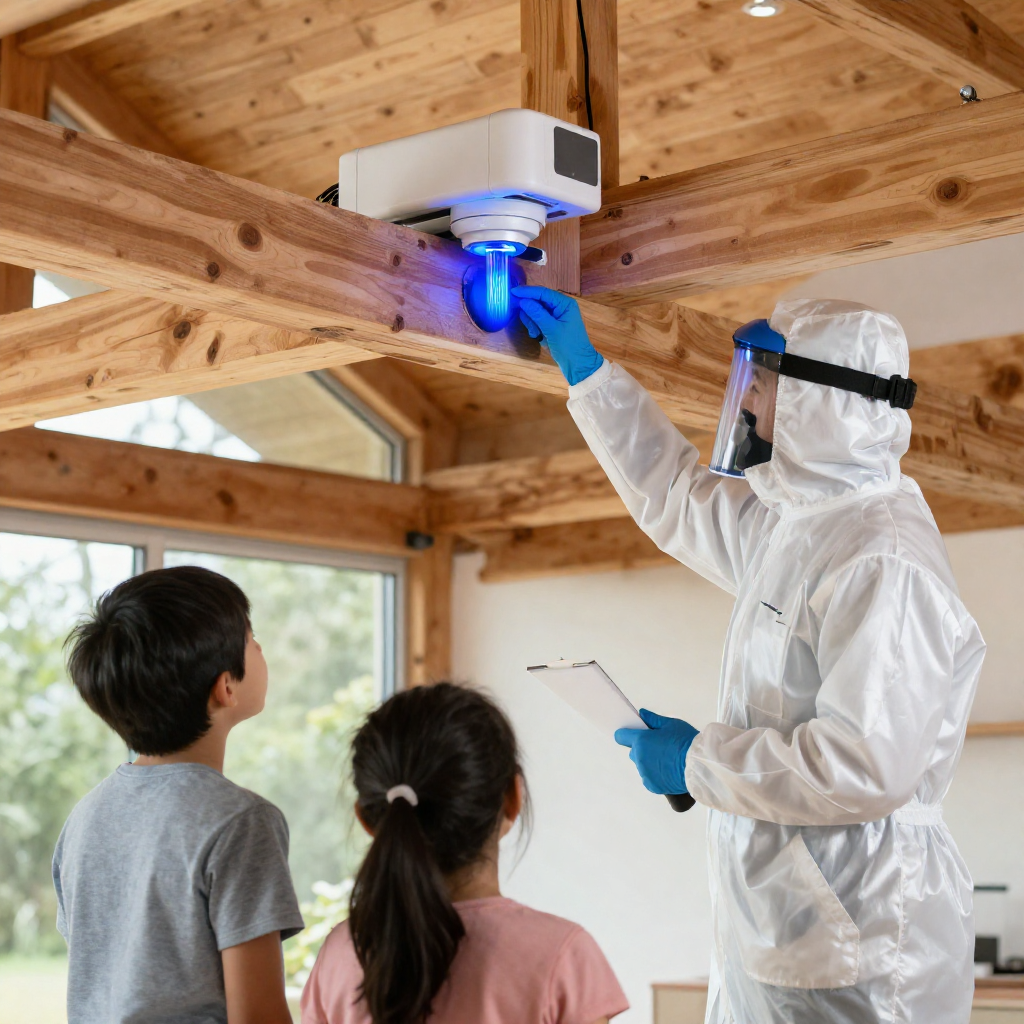
One increasingly popular chemical-free option for active woodworm infestations is microwave woodworm treatment.
Professional microwave equipment uses dielectric heating to generate controlled heat inside timber.
The treatment is designed to eliminate:
- Woodworm larvae
- Beetle eggs
- Pupae
- Adult wood-boring beetles
Microwave treatment is intended for suitable woodworm infestations and is not a standard treatment for dermestid beetles, which require different pest management strategies.
Dermestid Beetle Prevention Checklist
To reduce the risk of infestation:
- Vacuum regularly.
- Store natural fabrics in sealed containers.
- Inspect antique collections.
- Remove pet hair.
- Keep storage areas dry.
- Improve ventilation.
- Clean dark, undisturbed spaces.
- Monitor for larvae and shed skins.
Preventive maintenance is the most effective long-term solution.
Common Mistakes to Avoid
Avoid these common errors:
- Assuming all beetles damage wood.
- Ignoring small larvae found in stored fabrics.
- Storing dirty clothing for long periods.
- Neglecting regular cleaning of storage areas.
- Confusing dermestid beetles with woodworm.
Proper identification prevents unnecessary treatments.
Common Myths About Dermestid Beetles
Myth 1: Dermestid Beetles Eat Structural Timber
Fact: Dermestid beetles primarily feed on animal-based materials and do not bore into solid structural wood like woodworm or termites.
Myth 2: Only Old Homes Get Dermestid Beetles
Fact: Any home containing natural fibers, stored textiles, or suitable food sources can experience an infestation.
Myth 3: Adult Beetles Cause Most of the Damage
Fact: The larvae are responsible for nearly all feeding damage, while adult beetles primarily reproduce and disperse.
Conclusion
Dermestid beetles are often hidden pests that can damage valuable fabrics, leather goods, museum collections, taxidermy, and antique furnishings. Although they do not attack structural timber like wood-boring beetles, they are frequently found around wooden furniture because of the natural materials associated with these items. Understanding the differences between dermestid beetles and woodworm helps homeowners identify infestations accurately and choose the correct treatment approach.Visit https://www.shashel.eu online for more details.
Routine cleaning, proper storage of natural fabrics, moisture control, and regular inspections are the best defenses against dermestid beetles. When wood-boring beetles are also present, appropriate timber preservation methods—including microwave woodworm treatment for confirmed woodworm infestations—can help protect valuable wooden structures while preserving their long-term integrity.